When you are shopping for business phones headsets, the first decision is not always which headset to buy. Sometimes the equipment you already own just needs a connection cable, and sometimes you need a complete wireless listening device. That is the fork between the 30Hrs Bone Conduction Bluetooth Wireless Headset at $15.88 and the ABS Headsets Connection Cable at $4.45. They both belong in a business phones and headsets setup, but they solve different problems: one puts audio in your ear, the other links an existing headset to a phone.
Quick verdict
If your desk setup lacks the audio device itself, choose the 30Hrs Bone Conduction Bluetooth Wireless Headset. It is the self-contained option with a listed 30-hour battery life, Bluetooth 5.3, and an open-ear bone-conduction design. If you already have a headset and need a replacement cord, choose the ABS Headsets Connection Cable. It costs $4.45, uses a quick-disconnect RJ9/RJ11 connection, and replaces U10P adapter 27190 01.
Comparison at a glance
| Feature | Bone Conduction Headset | ABS Connection Cable |
|---|---|---|
| Purpose | Complete wireless headset | Replacement cable for compatible headset/phone |
| Listed price | USD 15.88 | USD 4.45 |
| Connection | Bluetooth 5.3 with USB-C charging | RJ9/RJ11 quick disconnect |
| Battery | 30 hours listed | Not applicable |
| Cable length | Not applicable | 1.1m |
Where each product wins
The bone-conduction headset wins when you need portability and a self-contained audio source. It is the only one of the two that can send sound straight from a Bluetooth source to your ear, and the title focuses on a long battery life and a sport-oriented fit. The open-ear design is a strong match for people who want to stay aware of their surroundings while on a call.
The ABS cable wins when your problem is a missing or worn-out connection. At $4.45, it is the more economical route if your headset and phone already support an RJ9/RJ11 quick disconnect. Its 1.1m length is enough to keep the connection tidy on a desk, and because it is a simple cable, there is no battery to charge and no pairing step.
Product notes
30Hrs Bone Conduction Bluetooth Wireless Headset
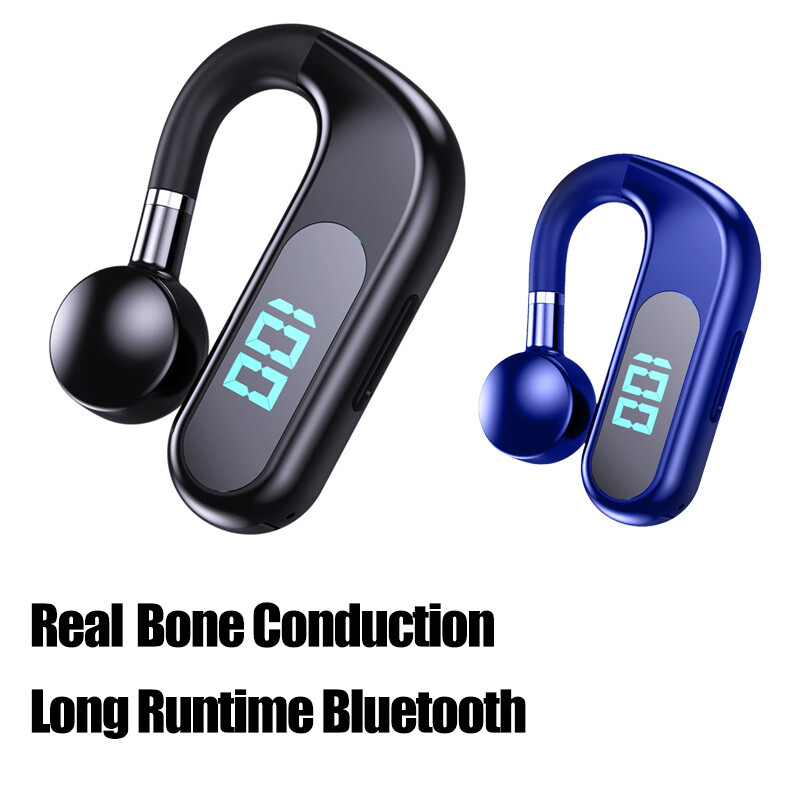
At $15.88, this headset is the higher-priced item, but it is also the complete package if you need to add wireless audio to a business setup. The title calls out 30 hours of battery life, and the headset includes a Bluetooth 5.3 chip, AAC/SBC decoding, and a bone-conduction design that keeps the ear open. That open-ear approach can help you hear colleagues or your surroundings during a call, and the sealed-horn design is meant to reduce sound leakage and protect the eardrum. It supports 180-degree rotation for left- or right-ear comfort and USB-C charging. The trade-off is that it is not a connection cable at all: if your desk phone connects through an RJ9/RJ11 jack rather than Bluetooth, this headset will not fix a missing cord. You are paying for a standalone wireless device, not an accessory.
ABS Headsets Connection Cable
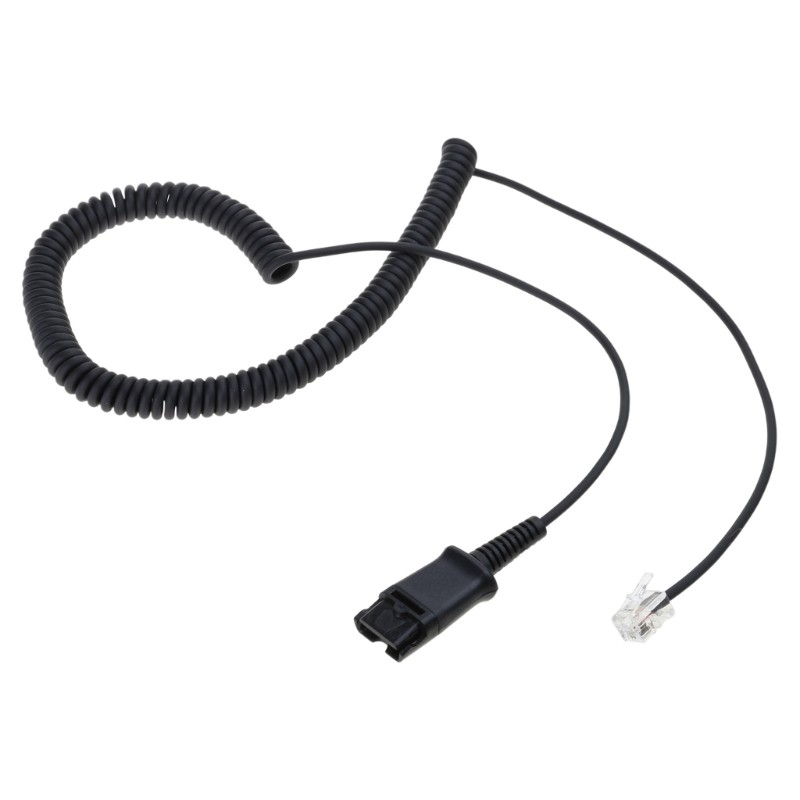
At $4.45, this cable is the lower-cost answer when your headset and phone already have the right ports. It is made from ABS, measures 1.1m, and uses a quick-disconnect RJ9/RJ11 connection for busy office environments. It replaces U10P adapter 27190 01, which makes it a practical spare if you are replacing a damaged cord. The quick disconnect lets you switch headsets or phones without unplugging a stubborn jack, and the low price makes it easy to keep an extra in a desk drawer. The main limitation is that it is only a cable: it cannot generate sound on its own, so you need a compatible headset and phone to use it. If your current setup already uses that connection style, it is a simple, focused purchase.
Final choice by use case
Choose the 30Hrs Bone Conduction Bluetooth Wireless Headset when you need a wireless, self-contained headset for business calls and your phone can connect over Bluetooth. Choose the ABS Headsets Connection Cable when you already have a headset and need a dependable replacement cord with a quick-disconnect RJ9/RJ11 connection. If your office uses both kinds of setups, keeping one of each covers the two most common failure points: no audio device and no cable.