Bindery print finishing covers a lot of ground, from the simple act of punching two rows of holes in a booklet to the production finishing steps that happen after printing. The two machines in this head-to-head show how wide that spread can be: one is a compact wire and spiral binding tool, the other is a full-size printing and bindery finishing machine. Your job is to figure out which type fits the work you actually do, and the decision comes down to volume, budget, and the kind of finish you need.
Quick verdict
For a modest budget and hands-on binding projects, the AviaryAces spiral binder is the sensible pick. It punches up to 20 sheets at once, accepts both double-loop wire and plastic spiral coils, and includes a sliding ruler for alignment. For a printing company that needs precise, repeatable bindery finishing, the Graphic Whizard PC 33SC is the more serious tool, though its used condition and $8,000 price put it in a different buying category entirely.
Comparison at a glance
| Product | Listed price | Relative price | Best for |
|---|---|---|---|
| AviaryAces 2:1 Spiral Binder | $85.99 | Small craft runs, wire and spiral binding | |
| Graphic Whizard PC 33SC | $8,000.00 | Commercial printing and bindery finishing |
Where each product wins
- AviaryAces 2:1 Spiral Binder wins on accessible setup and versatility. It takes standard 2:1 hole pitch, punches up to 20 sheets per pass, and switches between double-loop wire and plastic spiral coils, which makes it easy to handle a variety of small bookbinding projects.
- Graphic Whizard PC 33SC wins on professional capacity. It's built for printing and graphic arts operations that need finishing equipment to handle regular, production-oriented jobs. It is designed for precision and efficiency, which matters when you are moving jobs from press to finished product.
Product notes
AviaryAces 2:1 Spiral Binder
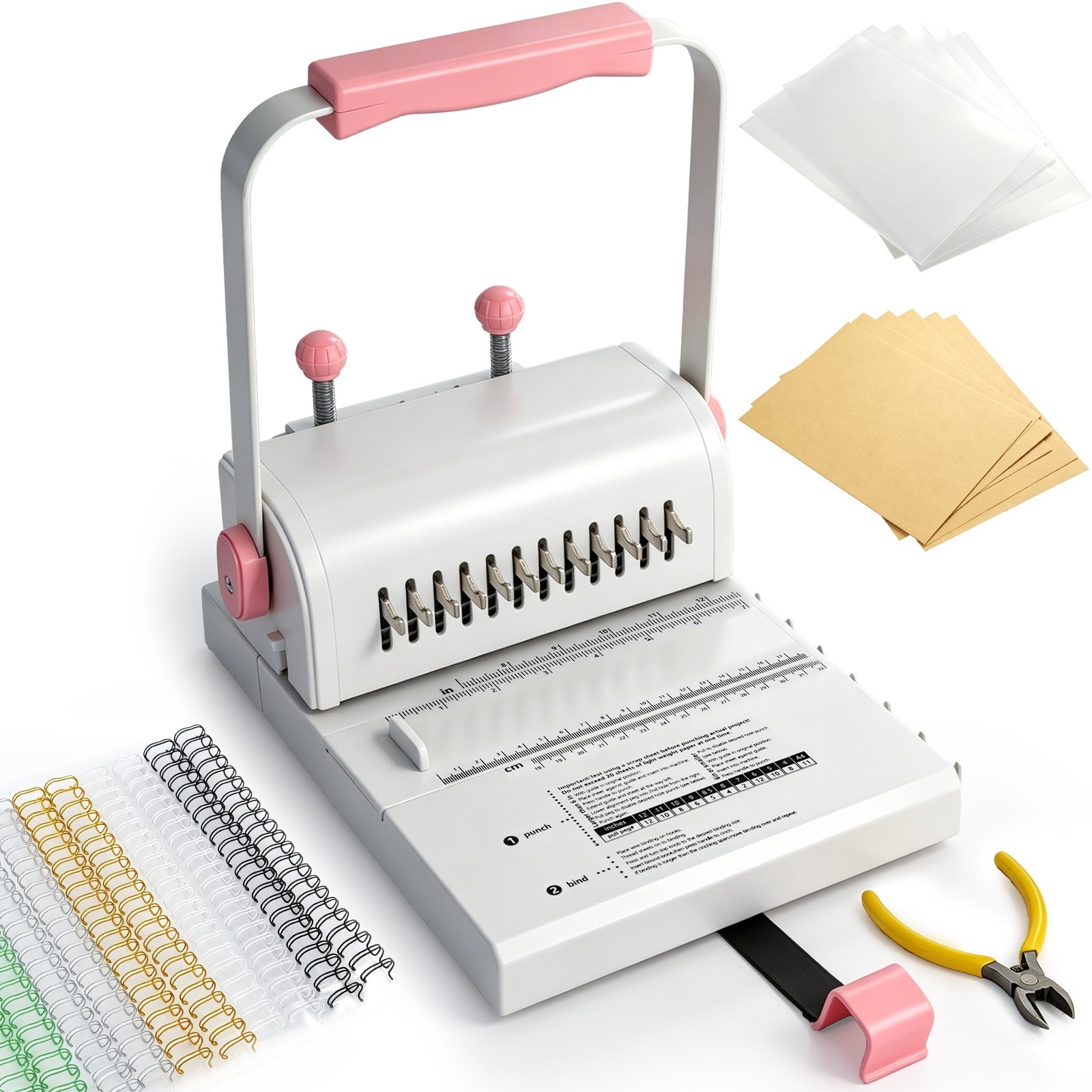
This binder brings two common binding styles together in one tool. The 2:1 hole pitch works with standard punch patterns, and the 20-sheet punch capacity lets you move through small stacks efficiently. It can handle both double-loop wire and plastic spiral coils, which is convenient for sketch journals, recipe books, and photo albums. The built-in adjustable slide ruler helps with alignment. The obvious limitation is scale: for a commercial order that needs hundreds of books, the manual, 20-sheet-at-a-time process becomes slow and repetitive. It is really suited to craft production and small office jobs.
Graphic Whizard PC 33SC
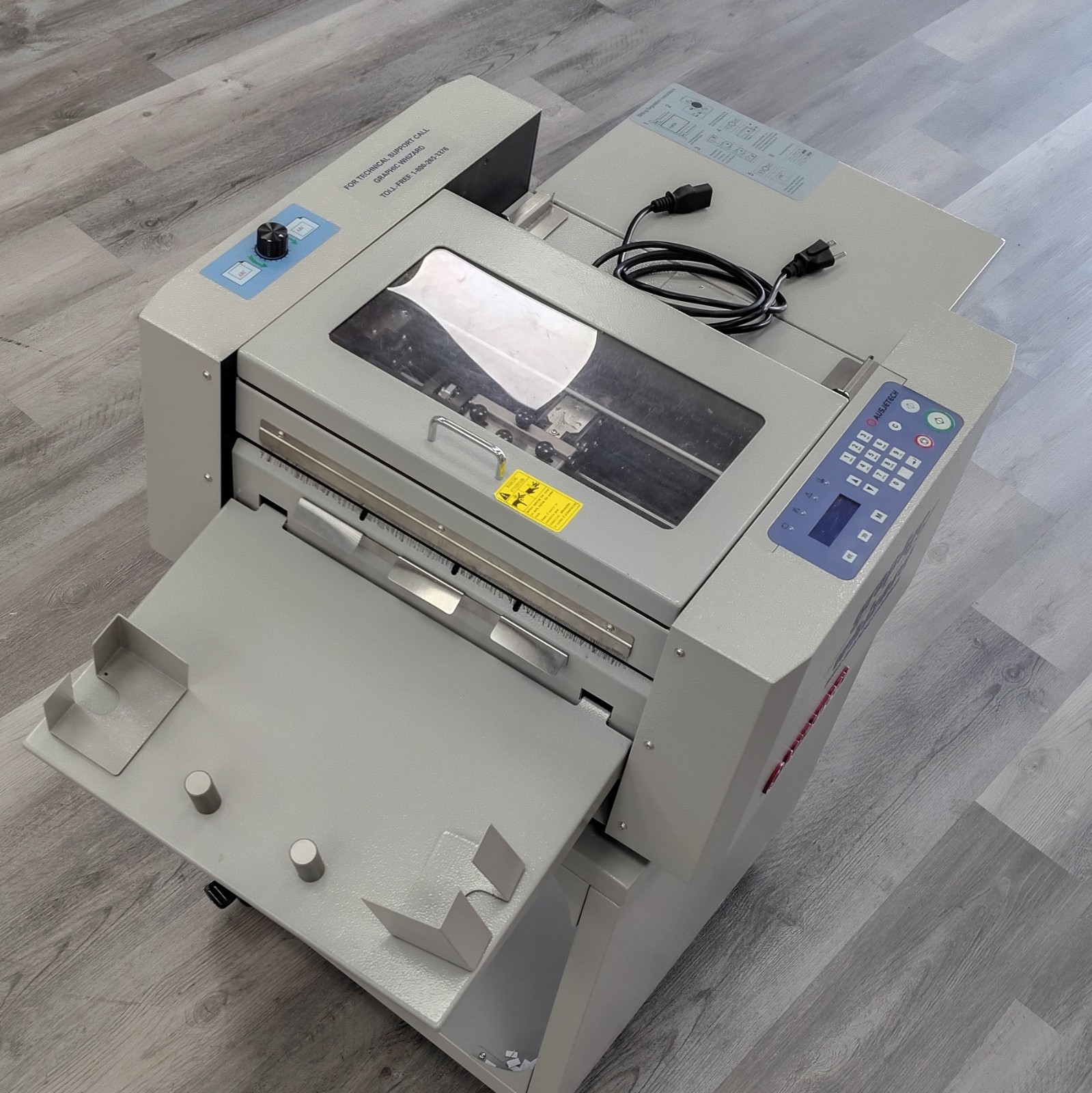
This machine is in a different class, and the used condition is part of the consideration. It is built for printing and bindery finishing work in a business environment, with emphasis on precision and efficiency. That makes it a strong fit for a small studio with steady finishing jobs or a larger printing company. The trade-off is that it is a substantial investment, and for someone only binding a few booklets now and then, it brings far more capability than the workflow requires. You are paying for production-oriented finishing equipment that can become the backbone of a bindery station.
Final choice by use case
If most of your work is handmade journals, small photo books, or event booklets in batches of a few dozen, the AviaryAces 2:1 Spiral Binder is the tool that makes sense today. It covers the two most common binding styles and fits into a typical workspace. If you own or manage a print shop and are equipping a bindery station that will run regularly, the Graphic Whizard PC 33SC offers the production-oriented finishing capability that a manual binder cannot match.