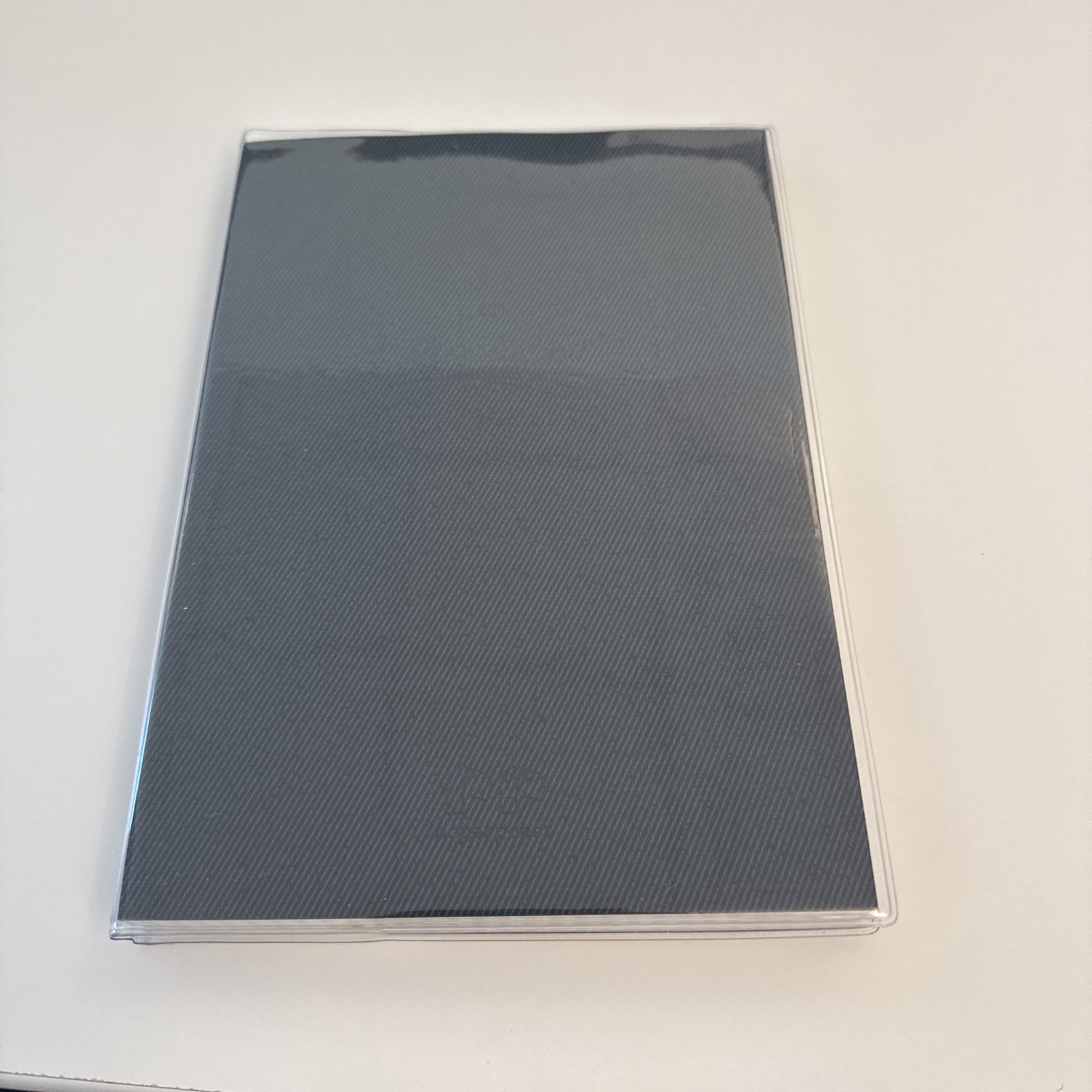

Photos from current listings. Actual item, color, and included accessories may vary.
Grid Paper Notebook Buying Guide
Grid paper notebooks are bound or staple-bound writing pads whose ruling is a printed orthogonal matrix, used for technical drafting, lab notes, and structured note-taking. The primary trade-off is paper quality versus ruling and binding format: fountain-pen-friendly stock (Tomoe River, 52-68 gsm) ghosts heavily, while heavier 90-120 gsm sheets resist bleed but add bulk and cost. The decision rule: for wet pens, pick 5mm grid on coated 52-68 gsm stock with thread-sewn binding; for pencil or ballpoint, any 70-90 gsm glue-bound pad at 4-5mm grid delivers full durability.
Key takeaways
- Grid pitch standardizes at 5mm for technical and lab use; 4mm suits small handwriting, 6mm+ for large cursive or classroom work.
- Tomoe River 52-68 gsm coated stock shows minimal feathering and sheen but ghosts; 90-120 gsm uncoated paper resists show-through and handles marker.
- Thread-sewn signatures lay flat at 180 degrees and survive re-opening; glued perfect binding cracks at the spine after heavy use.
At a glance
- Category
- Fountain Pen Paper & Notebooks
- Last updated
- Nov 23, 2026
Current offers
Highlights
- Grid pitch standardizes at 5mm for technical and lab use; 4mm suits small handwriting, 6mm+ for large cursive or classroom work.
- Tomoe River 52-68 gsm coated stock shows minimal feathering and sheen but ghosts; 90-120 gsm uncoated paper resists show-through and handles marker.
- Thread-sewn signatures lay flat at 180 degrees and survive re-opening; glued perfect binding cracks at the spine after heavy use.
- A5 (148x210mm) dominates 5mm-grid formats; A4 (210x297mm) is standard for engineering and lab notebooks needing full-page diagrams.
Best use cases
- Fountain-pen journaling and ink-sample logs: choose 5mm grid on Tomoe River 52-68 gsm with sewn binding; skip 90 gsm+ pads that absorb ink and mute sheen.
- Engineering field notes and lab records: pick A5 or A4 5mm grid with numbered pages and a sewn spine; skip glue-bound pads that shed pages under daily handling.
- Bullet journaling and habit tracking: use 5mm grid on 90-100 gsm stock for marker and highlighter tolerance; skip ultra-thin 52 gsm pads if wet media is routine.
- Classroom math and drafting drills: select 4-5mm grid on 70-80 gsm glue-bound pads for low-cost bulk; skip premium coated stock where pencil erasability matters more than ink sheen.
Buying tips
- Match grid pitch to handwriting x-height: 4mm below 3mm letters, 5mm for 3-5mm letters, 6mm+ above 5mm letters.
- For fountain pens, pick coated 52-68 gsm Tomoe River-type stock; for gel pens and markers, pick 90-120 gsm uncoated to prevent bleed-through.
- Prioritize thread-sewn or staple-bound spines for flat lay-flat writing; treat perfect-glued spines as consumable pads, not archival notebooks.
- Check sheet count math: 368 pages equals 184 leaves; confirm whether the count refers to sides or leaves before comparing thickness.
Specs
| Grid Pitch | 4mm / 5mm / 6mm squares |
|---|---|
| Paper Weight | 52-68 gsm coated vs 90-120 gsm |
| Binding | Thread-sewn vs glued vs staple |
| Page Format | A5 148x210mm vs A4 210x297mm |
Related searches
What to check before buying
- Measure your bag or desk footprint: A5 (148x210mm) fits jacket pockets and small totes; A4 (210x297mm) needs a laptop sleeve or folio.
- Confirm pen and ink pairing first: iron-gall and pigment inks need 90 gsm+ or coated stock to avoid bleed and feathering.
- Verify binding type from the spine photo: exposed thread stitches or staples lay flat; a solid glued block will not.
- Check page indexing if the notebook is for lab or field records: numbered pages and a table of contents field are required for traceable notes.
FAQ
Data sources: eBay / Amazon listings and product attribute feeds. Updated Nov 23, 2026.
Some links on this page are affiliate links. If you buy after clicking one, we may earn a commission at no extra cost to you. This does not change which products appear here or their order. Affiliate disclosure.