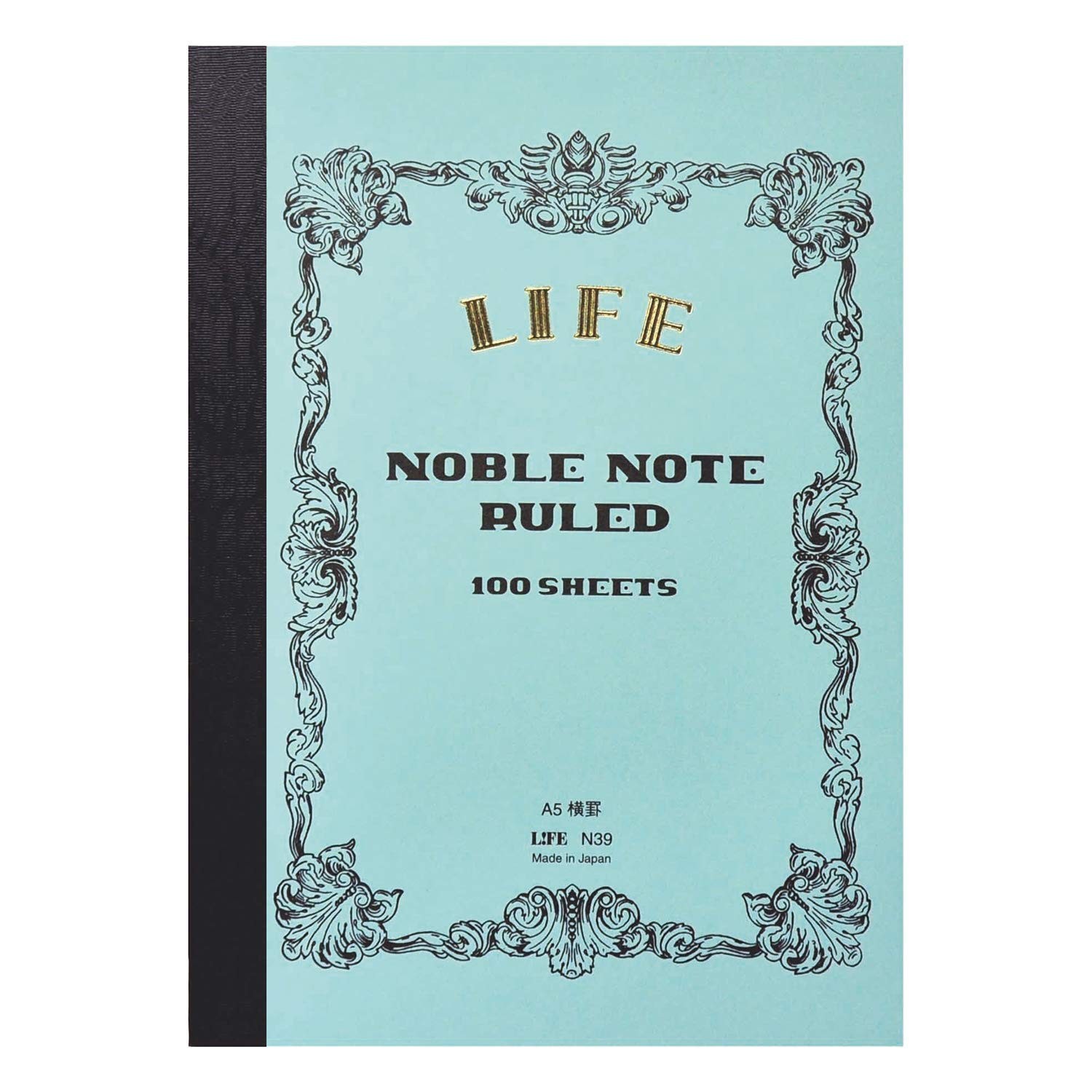

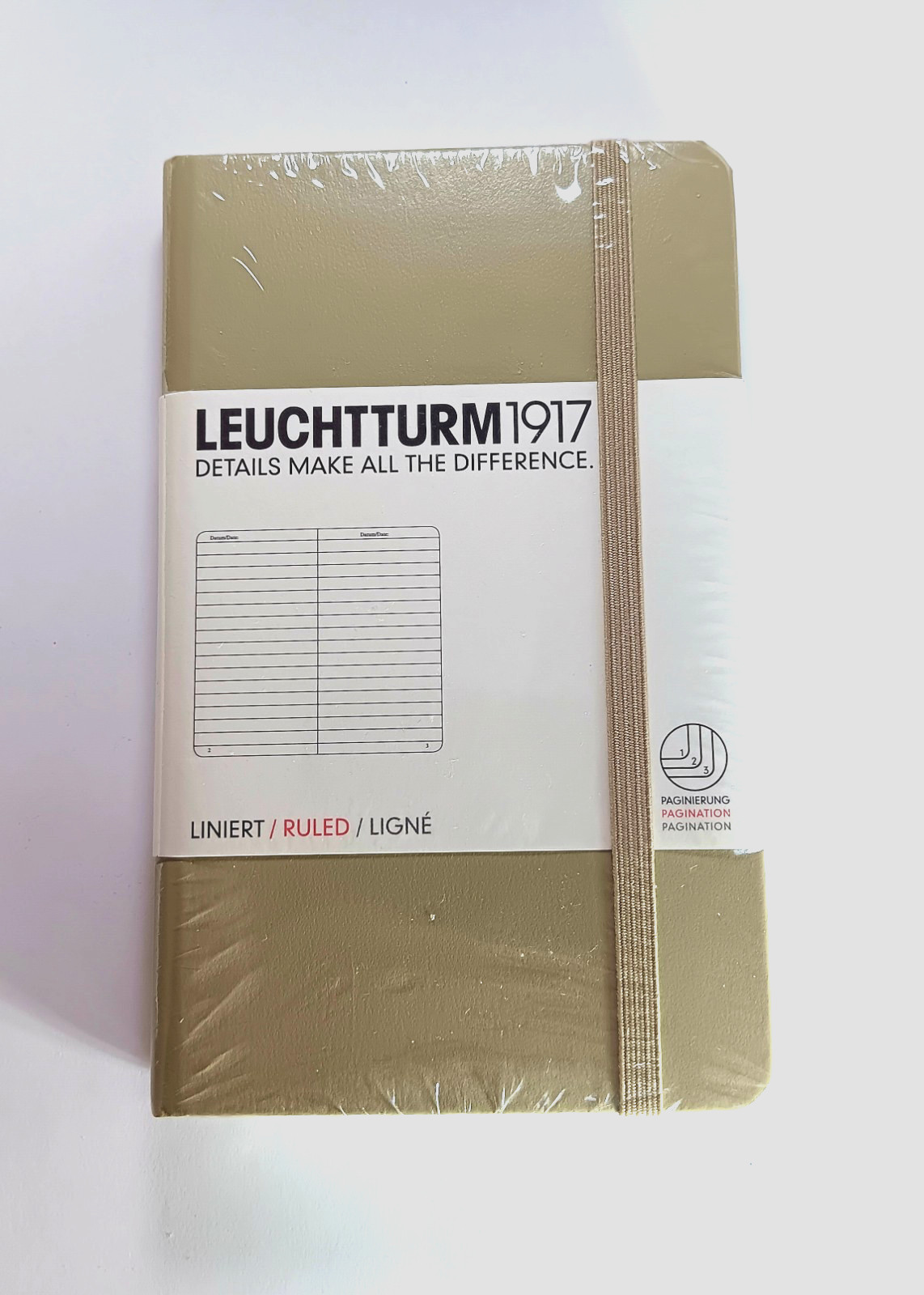
Photos from current listings. Actual item, color, and included accessories may vary.
Fountain Pen Friendly Notebook Buying Guide
A fountain pen friendly notebook is defined by paper that resists feathering, bleed-through, and ghosting under water-based ink, which depends on sizing, pulp grade, and GSM rather than cover design. The core trade-off is ink-handling performance versus page count and portability: heavier, well-sized paper handles wet nibs but adds bulk. The decision rule is simple—buy 80 GSM or higher acid-free, sized paper with a smooth or coated finish if you use broad or wet nibs, and skip thin 60–70 GSM multipurpose notebooks that bleed.
Median $22.02
Key takeaways
- Paper weight drives bleed resistance: 80–90 GSM handles fine and medium nibs; 100–120 GSM is needed for broad, stub, or flex nibs and heavy shading inks.
- Sizing agents (internal or surface) determine feathering; uncoated office paper at 70 GSM feathers even with dry fine nibs despite adequate thickness.
- Binding architecture matters: sewn signatures allow 180° lay-flat writing, while glued perfect binding stiffens and can crack with heavy use.
At a glance
- Category
- Fountain Pen Paper & Notebooks
- Last updated
- Nov 23, 2026
Current offers
Highlights
- Paper weight drives bleed resistance: 80–90 GSM handles fine and medium nibs; 100–120 GSM is needed for broad, stub, or flex nibs and heavy shading inks.
- Sizing agents (internal or surface) determine feathering; uncoated office paper at 70 GSM feathers even with dry fine nibs despite adequate thickness.
- Binding architecture matters: sewn signatures allow 180° lay-flat writing, while glued perfect binding stiffens and can crack with heavy use.
- Coated or glassine-style covers resist ink smudges and moisture; softcover notebooks trade rigidity for pocketability.
Best use cases
- Best fit: daily journaling with fine-to-medium nibs in A5 size—pick 80–90 GSM lined or dot-grid paper with sewn binding for lay-flat writing.
- Wrong fit: carrying a 100+ GSM hardcover A5 as an everyday pocket notebook—bulk and weight defeat the purpose; choose a 60–80 GSM softcover pocket size instead.
- Best fit: ink sampling and swatch testing—use 100–120 GSM smooth or coated paper in A5 or B5 to prevent bleed from broad and flex nibs.
- Wrong fit: sketching with fountain pen ink on textured cold-press watercolor paper—texture catches nib tines and causes skipping; use hot-press or smooth drawing paper.
Buying tips
- Match GSM to nib width: fine/medium nibs work on 80–90 GSM; broad/stub/flex nibs need 100–120 GSM to prevent bleed-through.
- Choose sewn binding over glued perfect binding for 180° lay-flat use; check that signatures are visible at the spine.
- Select acid-free, pH-neutral paper to prevent yellowing and ink degradation over years of archival journaling.
- For A5 portability, keep page count under 200 sheets; beyond that, spine width and weight make pocket carry impractical.
Specs
| Paper Weight | 80–120 GSM |
|---|---|
| Paper Finish | Smooth / coated vs textured |
| Binding Type | Sewn lay-flat vs glued spine |
| Common Sizes | A5, B5, pocket (90×140 mm) |
Related searches
What to check before buying
- Check nib width: broad, stub, or flex nibs require 100+ GSM paper; fine and medium are safe at 80–90 GSM.
- Confirm ruling preference: lined for prose, dot-grid for bullet journaling, blank for sketching; grid ruling suits technical notes.
- Verify binding type: sewn signatures for lay-flat; glued spine for slim notebooks; wire-o for full 360° fold-back.
FAQ
Data sources: eBay / Amazon listings and product attribute feeds. Updated Nov 23, 2026.
Some links on this page are affiliate links. If you buy after clicking one, we may earn a commission at no extra cost to you. This does not change which products appear here or their order. Affiliate disclosure.