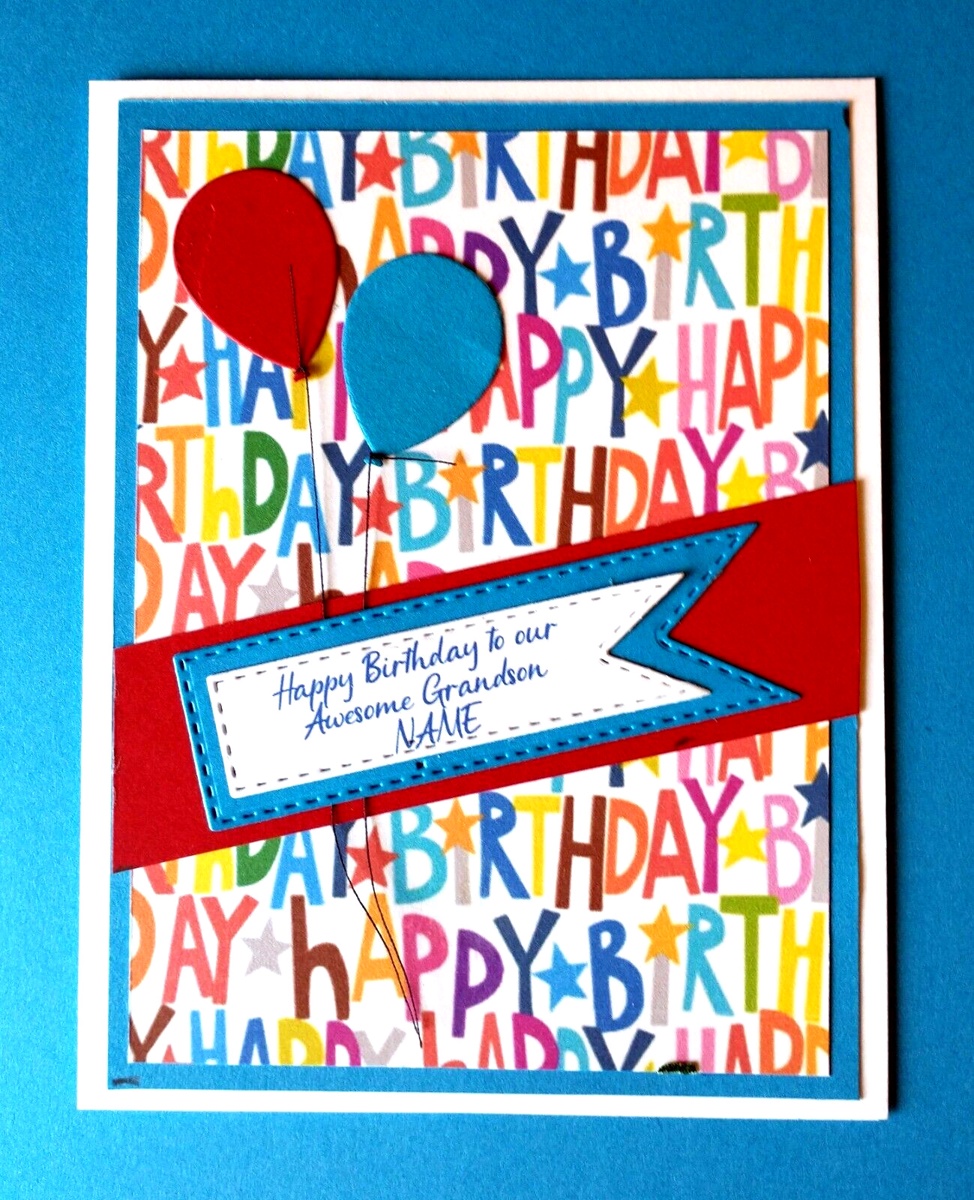

Photos from current listings. Actual item, color, and included accessories may vary.
Personalized Card Buying Guide
Personalized cards are printed or handmade greeting cards customized with a recipient name, message, or photo, and the key trade-off is between low-cost digital/offset printing on thin stock versus premium letterpress, foil, or handmade construction on heavyweight paper. The decision rule: choose digital or basic offset for bulk holiday mailing where cost and speed matter, and choose letterpress, foil-stamped, or handmade cards only when tactile quality and keepsake value justify the higher per-card cost.
Key takeaways
- Card stock weight separates durable from flimsy: 100–110 lb (270–300 gsm) cover stock feels substantial, while 65–80 lb (175–215 gsm) text weight buckles and shows show-through.
- Print method dictates finish: digital toner and offset litho handle full color and variable names cheaply, while letterpress and hot foil stamping deliver tactile debossing and metallic shine at higher unit cost.
- Handmade cards use layered cardstock, die-cut balloons, and inserted verse sheets, giving one-of-a-kind construction but variable lead times and limited bulk consistency.
At a glance
- Category
- Stationery, School & Office Consumables
- Last updated
- Nov 28, 2026
Current offers
Highlights
- Card stock weight separates durable from flimsy: 100–110 lb (270–300 gsm) cover stock feels substantial, while 65–80 lb (175–215 gsm) text weight buckles and shows show-through.
- Print method dictates finish: digital toner and offset litho handle full color and variable names cheaply, while letterpress and hot foil stamping deliver tactile debossing and metallic shine at higher unit cost.
- Handmade cards use layered cardstock, die-cut balloons, and inserted verse sheets, giving one-of-a-kind construction but variable lead times and limited bulk consistency.
- Standard folded card sizes are A2 (4.25×5.5 in), A7 (5×7 in), and 5×7 in; envelopes must match — A7 cards need A7 envelopes, and square cards require extra-postage non-machinable rates.
Best use cases
- Best fit: order digitally printed A7 or 5×7 folded cards on 100 lb matte cover for Christmas bulk mailing — pick this for cost-per-card efficiency and fast turnaround.
- Best fit: choose letterpress or foil-stamped cotton stock for milestone birthdays and weddings where the card is kept as a keepsake — skip thin text-weight stock for these.
- Wrong fit: handmade die-cut cards for large guest lists — inconsistent construction and long lead times make them unsuitable above small-batch personal sends.
- Wrong fit: square or heavily embellished cards for standard USPS First-Class mailing — non-machinable surcharges and rigid embellishments risk damage; use A7 rectangular instead.
Buying tips
- Match envelope to card size exactly: A7 cards (5×7 in) need A7 envelopes (5.25×7.25 in); A2 cards need A2 envelopes — mismatches cause binding or loose fit.
- For bulk holiday mail, specify 100 lb (270 gsm) cover stock with matte or silk finish; gloss shows fingerprints and scuffs during postal handling.
- Personalization tiers differ: printed names inside a generic verse is cheapest; fully custom verse plus photo and foil name is premium — pick based on whether the card is a mailer or a keepsake.
- Handmade and letterpress cards need 2–4 weeks lead time for custom runs; digital short-run printing turns in days — plan holiday orders by early November for handmade tiers.
Specs
| Card Stock | 100–110 lb cover / 270–300 gsm |
|---|---|
| Print Method | Digital, offset, letterpress, foil |
| Standard Size | A2 4.25×5.5 in / A7 5×7 in |
| Envelope Match | A2 with A2 / A7 with A7 |
Related searches
What to check before buying
- Measure your envelope and card: folded card should be 1/8–1/4 in smaller than envelope on both dimensions for easy insertion.
- Confirm postage class: rectangular A2/A7 cards mail at standard First-Class letter rate; square or rigid embellished cards require non-machinable surcharge.
- Check printer file specs: 300 dpi CMYK with 1/8 in bleed and safe margins; personalized name fields need character limits to avoid overflow.
- Verify ink and paper compatibility for home printing: inkjet on uncoated 100 lb cover smears; laser or professional offset needed for coated stock.
FAQ
Data sources: eBay / Amazon listings and product attribute feeds. Updated Nov 28, 2026.
Some links on this page are affiliate links. If you buy after clicking one, we may earn a commission at no extra cost to you. This does not change which products appear here or their order. Affiliate disclosure.