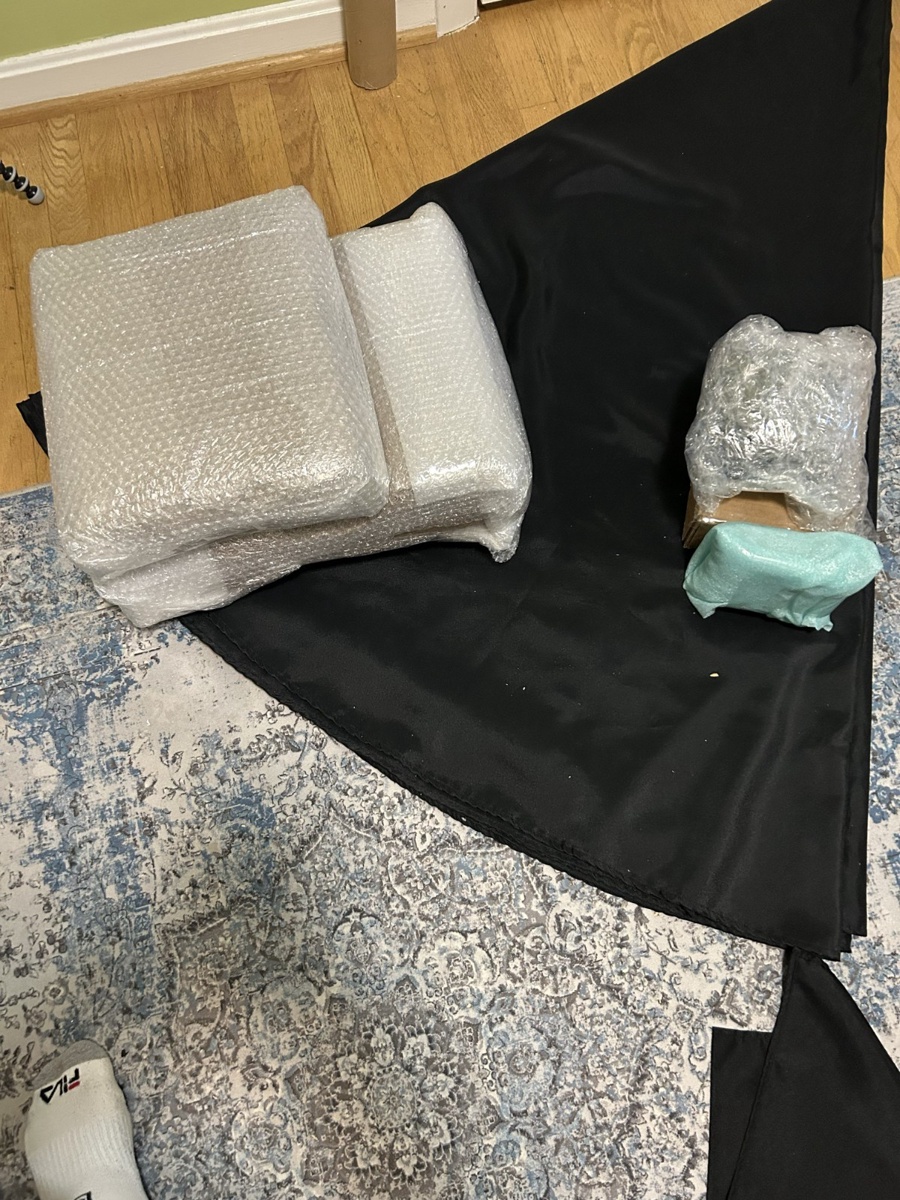

Photos from current listings. Actual item, color, and included accessories may vary.
Shipping Material Buying Guide
Shipping materials encompass the boxes, cushioning, tapes, and labels that protect goods in transit and satisfy carrier rules. The core trade-off is corrugated strength and cushioning versus cost and weight, with weak board or insufficient void fill causing damage and surcharges. Choose a material tier matched to item fragility and carrier handling, not the cheapest option.
Key takeaways
- Corrugated board strength is rated by ECT (Edge Crush Test) or Mullen burst; 32 ECT is the standard for parcels up to 65 lb, while 48 ECT suits heavier or fragile loads.
- Box style matters: regular slotted containers (RSC) are general-purpose, while double-wall (200# test) adds puncture resistance for sharp or heavy items.
- Cushioning performance is driven by thickness and density: 3/16-inch bubble wrap for light protection, 1/2-inch foam or air pillows for fragile electronics.
At a glance
- Category
- Packing & Shipping
- Last updated
- Nov 28, 2026
Current offers
Highlights
- Corrugated board strength is rated by ECT (Edge Crush Test) or Mullen burst; 32 ECT is the standard for parcels up to 65 lb, while 48 ECT suits heavier or fragile loads.
- Box style matters: regular slotted containers (RSC) are general-purpose, while double-wall (200# test) adds puncture resistance for sharp or heavy items.
- Cushioning performance is driven by thickness and density: 3/16-inch bubble wrap for light protection, 1/2-inch foam or air pillows for fragile electronics.
- Carrier compliance hinges on tape grade and label adhesion: water-activated reinforced tape or 2.6-mil acrylic tape meets USPS/UPS/FedEx closure rules, and direct thermal labels require a compatible printer.
Best use cases
- Best fit: shipping books or clothing in new 32 ECT single-wall boxes with 2.6-mil acrylic tape; skip double-wall to save cost and weight.
- Best fit: fragile electronics or glassware in double-wall 48 ECT boxes with 1/2-inch foam cushioning and void fill; skip single-wall and newspaper.
- Best fit: high-volume e-commerce using direct thermal 4x6 labels and poly mailers for soft goods; skip hand-writing labels or using paper envelopes for rigid items.
- Wrong fit: reusing old boxes with crushed corners or removed labels; carriers reject compromised packaging and damage claims are denied.
Buying tips
- Match box ECT to weight: 32 ECT for up to 65 lb, 48 ECT for heavier or fragile; never exceed the box's gross weight limit.
- Use the 2-inch rule: cushioning should be at least 2 inches on all sides of the item, so box interior dimensions should exceed item dimensions by 4 inches.
- Select tape by adhesion: 2.6-mil acrylic or hot-melt for general sealing, reinforced water-activated tape for heavy or high-value parcels.
- For USPS compatibility, use boxes that meet USPS size limits (max 108 inches length + girth) and avoid reusing USPS-branded boxes for non-USPS shipments.
Specs
| Board Grade | 32 ECT vs 48 ECT |
|---|---|
| Wall Type | Single-wall vs double-wall |
| Cushioning | Bubble 3/16" vs foam 1/2" |
| Tape Adhesion | 2.6-mil acrylic vs reinforced |
Related searches
What to check before buying
- Measure your item and add 4 inches to length, width, and height to determine the minimum box interior size for 2-inch cushioning.
- Confirm your carrier's tape and labeling rules: USPS requires pressure-sensitive tape on all seams for Priority Mail; FedEx and UPS accept water-activated tape.
- Check your printer type: direct thermal labels need a thermal printer, while laser/inkjet labels work with standard printers.
- Verify floor space and climate: store corrugated boxes in a dry area; humidity above 80% degrades board strength by up to 50%.
FAQ
Data sources: eBay / Amazon listings and product attribute feeds. Updated Nov 28, 2026.
Some links on this page are affiliate links. If you buy after clicking one, we may earn a commission at no extra cost to you. This does not change which products appear here or their order. Affiliate disclosure.