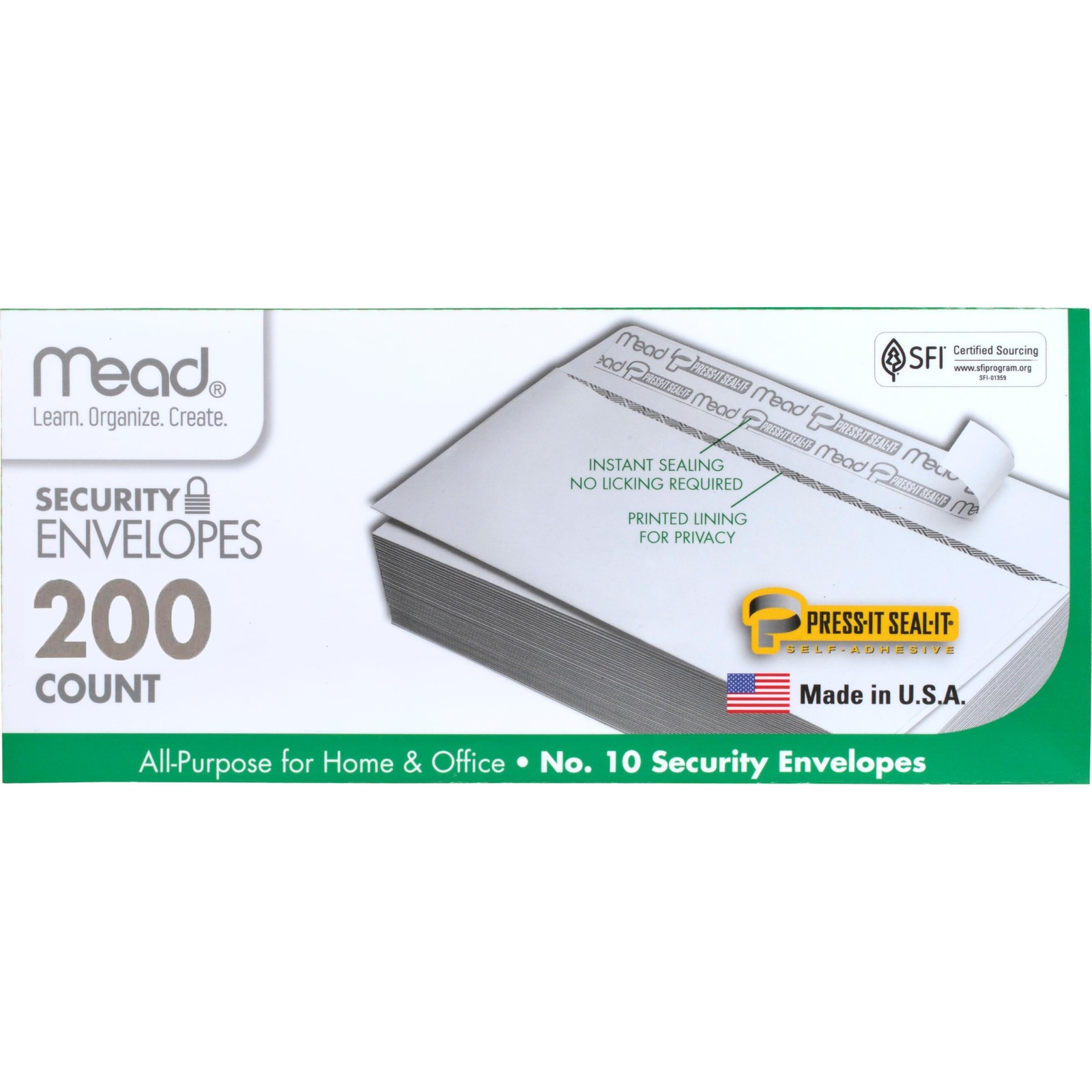

Photos from current listings. Actual item, color, and included accessories may vary.
Mead Envelopes Buying Guide
Mead envelopes are standard office-grade paper envelopes sold in #10 letter and specialty sizes, differentiated mainly by paper weight, closure type (gummed vs. self-seal), and security tinting. The key trade-off is between thin 20 lb economy stock that jams in printers and wrinkles in humidity versus 24 lb+ security-tinted stock with pressure-sensitive adhesive that feeds reliably and hides contents. Buy self-seal security-tinted #10 envelopes for routine business mail; skip plain gummed 20 lb envelopes if you print addresses in bulk or send anything confidential.
Key takeaways
- Paper weight: 20 lb bond is standard economy; 24 lb bond resists show-through from printed inserts and handles laser/inkjet heat without curling at the seams.
- Closure type: gummed (moisten to seal) is cheapest but slower and can fail in dry climates; self-seal pressure-sensitive adhesive (peel-and-stick) is faster and more secure for volume mail.
- Security tint: interior blue or black pattern blocks contents from being read against light; untinted white envelopes expose checks and account numbers.
At a glance
- Category
- Packing & Shipping
- Status
- Listings available
- Last updated
- Nov 27, 2026
Current offers
Highlights
- Paper weight: 20 lb bond is standard economy; 24 lb bond resists show-through from printed inserts and handles laser/inkjet heat without curling at the seams.
- Closure type: gummed (moisten to seal) is cheapest but slower and can fail in dry climates; self-seal pressure-sensitive adhesive (peel-and-stick) is faster and more secure for volume mail.
- Security tint: interior blue or black pattern blocks contents from being read against light; untinted white envelopes expose checks and account numbers.
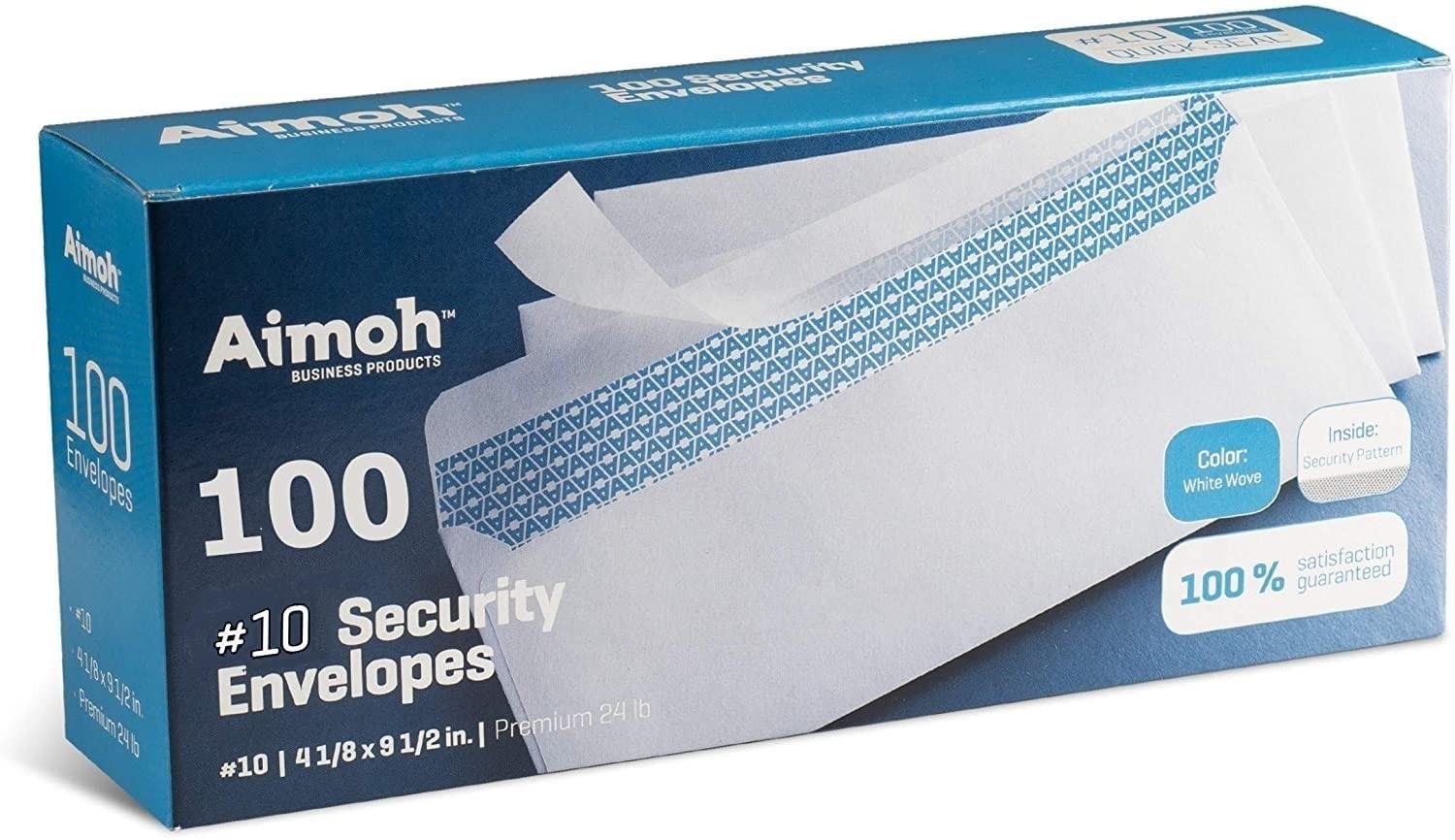
- #10 letter size measures 4-1/8 x 9-1/2 inches and fits a tri-folded 8.5 x 11 sheet; Mead also sells #6-3/4 (3-5/8 x 6-1/2) for small notes and catalogs.
Best use cases
- Best fit: self-seal security-tinted #10 for invoices, statements, and checks — the tint and pressure-sensitive adhesive prevent tampering and speed up high-volume mailings.
- Best fit: 24 lb plain white #10 with gummed closure for formal correspondence where you want a heavier feel and don't need security tint; moisture-seal is fine for low volume.
- Wrong fit: 20 lb untinted gummed envelopes for laser printing at scale — thin stock curls from fuser heat, jams feeders, and lets printed addresses ghost through.
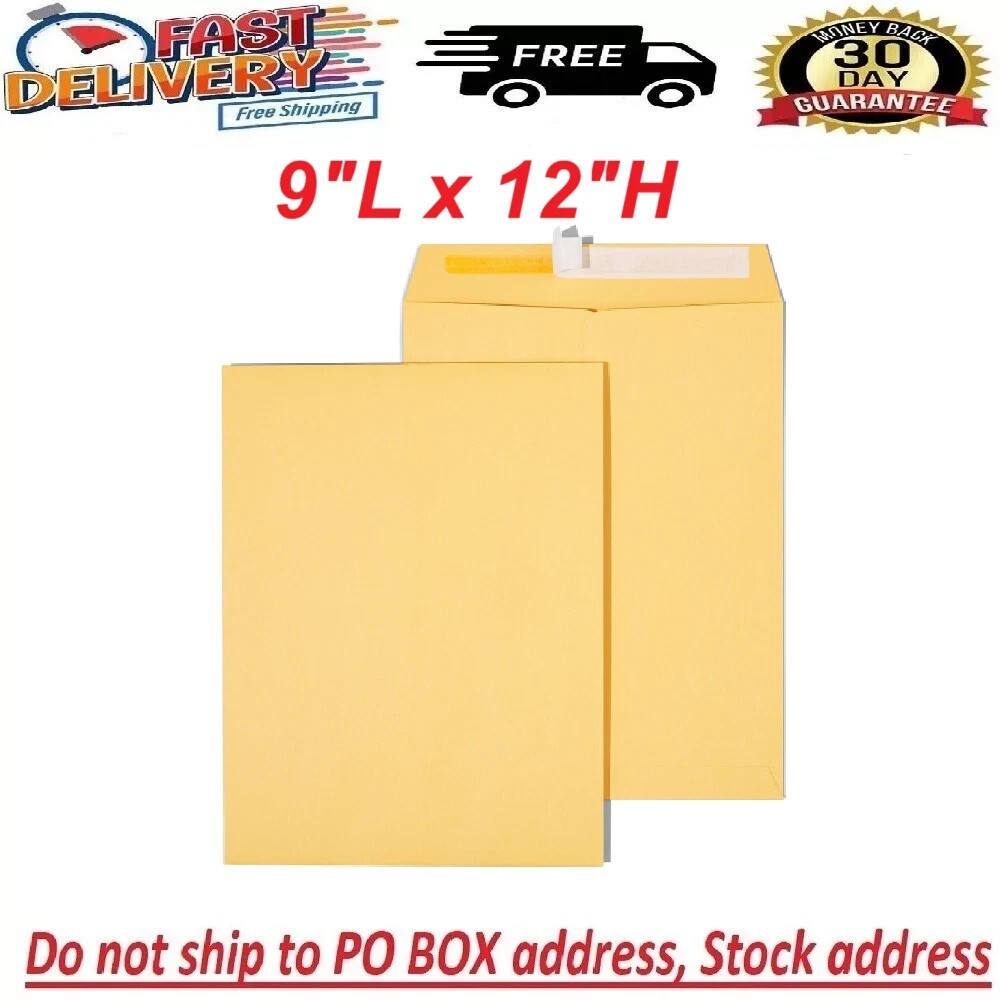
- Wrong fit: #10 envelopes for mailing a full 8.5 x 11 sheet unfolded — you need a 9 x 12 booklet or catalog envelope; #10 only accommodates tri-folds.
Buying tips
- Match paper weight to printer: 24 lb or heavier for laser printers to avoid curl and jams; 20 lb is acceptable for handwriting or typewriter use only.
- Choose self-seal (peel-and-stick) for more than 50 envelopes per month; gummed requires a wet sponge or envelope moistener and slows down bulk mail.
- Insist on security tint for any envelope containing checks, tax forms, or account numbers — the interior pattern is the only barrier against hold-to-light reading.
- Buy in 200-count or 500-count boxes for cost efficiency; small 25-count packs cost more per envelope and run out mid-project.
Specs
| Envelope Size | #10 (4-1/8 x 9-1/2 in) / #6-3/4 |
|---|---|
| Paper Weight | 20 lb vs 24 lb bond |
| Closure Type | Self-seal vs gummed |
| Security Tint | Tinted interior vs plain white |
Alternatives to compare
Related searches
What to check before buying
- Confirm your printer supports #10 envelopes — most laser and inkjet models list a manual feed slot or envelope tray; front-loading trays may need a weight under 24 lb.
- Measure your insert: a tri-folded 8.5 x 11 sheet fits #10; a folded 8.5 x 14 legal sheet does not — use a #11 or 9 x 12 instead.
- Check your climate: gummed flaps can seal poorly in low humidity; self-seal adhesive is more reliable year-round in dry or air-conditioned offices.
- Verify closure and tint on the box label — 'security tinted' and 'self-seal' are printed on the carton; plain 'envelopes' may be untinted gummed stock.
FAQ
Data sources: eBay / Amazon listings and product attribute feeds. Updated Nov 27, 2026.
Some links on this page are affiliate links. If you buy after clicking one, we may earn a commission at no extra cost to you. This does not change which products appear here or their order. Affiliate disclosure.