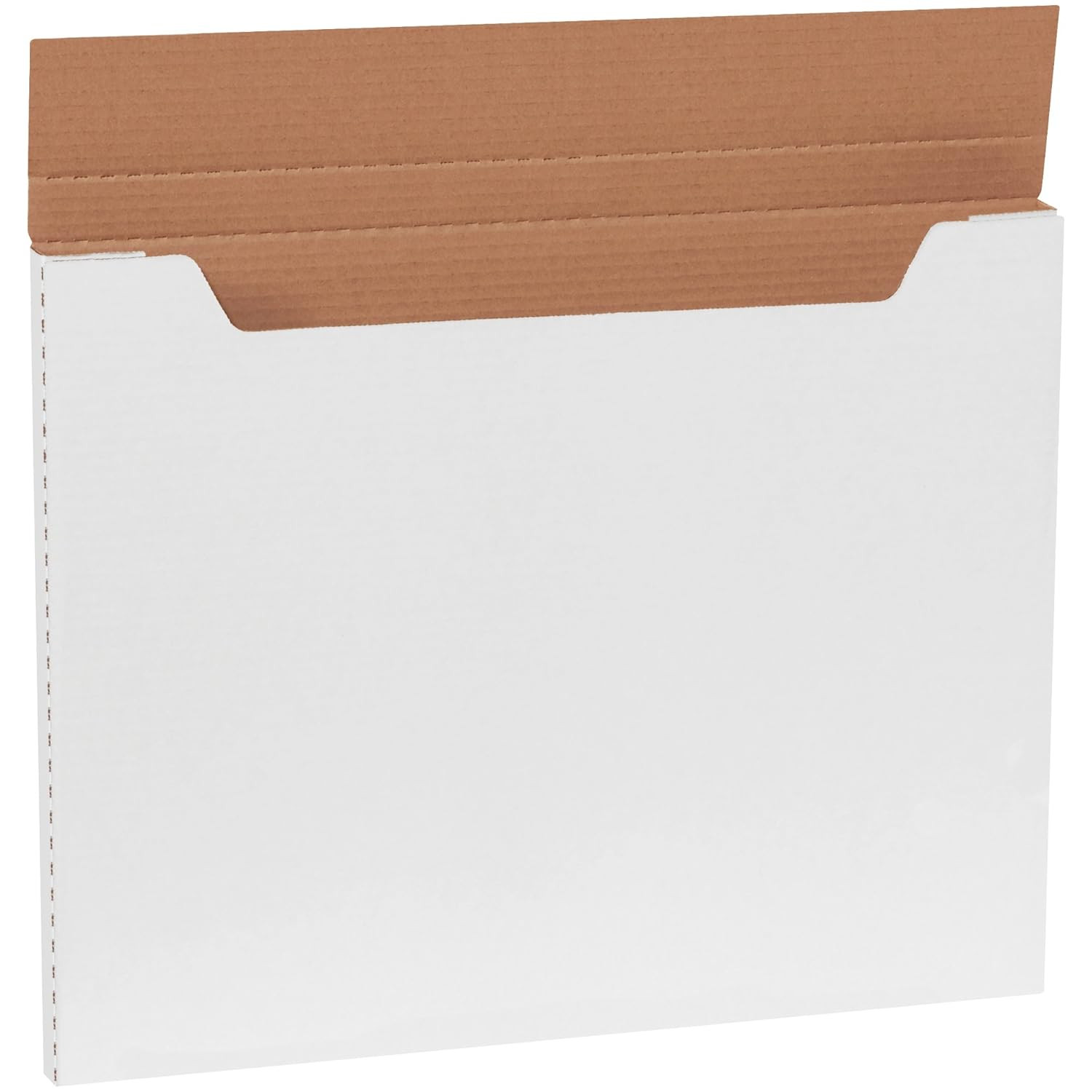

Photos from current listings. Actual item, color, and included accessories may vary.
Cardboard Storage Box Buying Guide
Cardboard storage boxes span two distinct product families: corrugated shipping cartons built for transit strength and paperboard storage boxes built for shelf organization. The core trade-off is corrugated flute construction and wall grade (single-wall 32 ECT vs double-wall 48 ECT) versus paperboard thickness and assembly style for dry, light-duty storage. Rule: buy corrugated for anything stacked, shipped, or heavy; buy paperboard only for light, climate-controlled closet organization.
Median $197.49
Key takeaways
- Corrugated boxes are graded by Edge Crush Test (ECT): 32 ECT single-wall handles roughly 65 lb gross, 48 ECT double-wall roughly 100 lb, and 44 ECT single-wall bridges both tiers.
- Flute profile drives strength-to-thickness: C-flute (~4mm) is the shipping standard, B-flute (~3mm) suits retail and tight storage, E-flute (~1.5mm) is for printed presentation boxes only.
- Paperboard storage boxes use chipboard or kraft board measured in caliper or GSM; 1.5-2mm chipboard holds shape on shelves, while under-1mm board bows under stacked weight.
At a glance
- Category
- Packing & Shipping
- Last updated
- Nov 28, 2026
Current offers
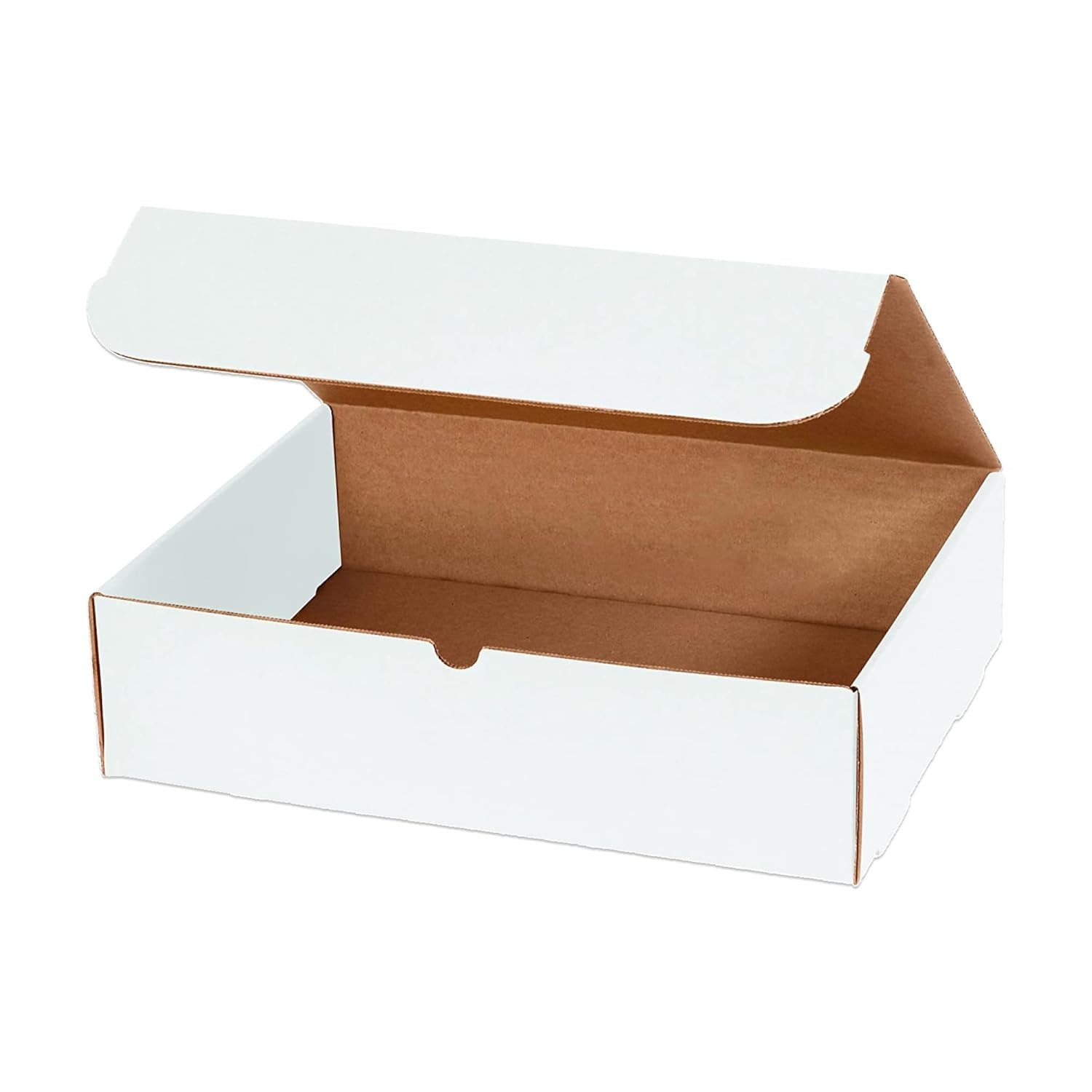
Highlights
- Corrugated boxes are graded by Edge Crush Test (ECT): 32 ECT single-wall handles roughly 65 lb gross, 48 ECT double-wall roughly 100 lb, and 44 ECT single-wall bridges both tiers.
- Flute profile drives strength-to-thickness: C-flute (~4mm) is the shipping standard, B-flute (~3mm) suits retail and tight storage, E-flute (~1.5mm) is for printed presentation boxes only.
- Paperboard storage boxes use chipboard or kraft board measured in caliper or GSM; 1.5-2mm chipboard holds shape on shelves, while under-1mm board bows under stacked weight.
- Assembly style separates tiers: corrugated RSC (regular slotted container) ships flat and tapes closed; paperboard boxes use fold-over lids, magnetic closures, or collapsible rigid walls for repeated access.
Best use cases
- Best fit: moving, shipping, or garage stacking — pick 32 ECT single-wall C-flute in standard RSC sizes; skip thin paperboard decorative boxes entirely for these loads.
- Best fit: closet and shelf organization of clothing or documents — pick 1.5-2mm chipboard boxes with lids in uniform footprint sizes; skip double-wall corrugated, which wastes interior space and budget.
- Best fit: e-commerce order fulfillment where the box is the package — pick 32 ECT C-flute or 44 ECT for fragile goods, sized within 1-2 inches of contents to cut void fill.
- Wrong fit: damp basements, garages, or outdoor storage — standard corrugated and chipboard absorb moisture and lose stacking strength; use plastic totes instead unless boxes are wax-coated or poly-lined.
Buying tips
- Size to contents plus 2 inches per dimension for void fill; boxes within 1 inch of contents risk corner crush, and oversized boxes need more cushioning than they save.
- Match ECT to stacking load: multiply box gross weight by stack height, then choose 32 ECT for loads to ~65 lb and 48 ECT double-wall for ~100 lb.
- For storage boxes, demand board caliper of at least 1.5mm and a lid overlap of 1 inch or more; thinner board and shallow lids are the main failure points on shelves.
- Buy corrugated in bundles by flute and ECT rather than by 'large/medium/small' labels; dimensional inches and ECT grade are the only reliable cross-seller comparison.
Specs
| Box Construction | Corrugated RSC vs paperboard chipboard |
|---|---|
| Wall Grade (ECT) | 32 ECT single / 44 ECT / 48 ECT double |
| Flute Profile | C-flute 4mm / B-flute 3mm / E-flute 1.5mm |
| Board Caliper (Storage) | 1.5-2mm chipboard minimum |
Related searches
What to check before buying
- Measure shelf depth, closet width, and door clearance; storage boxes must fit with lid clearance and still allow hand access.
- Confirm floor or shelf load capacity against the planned stack: 32 ECT single-wall stacks 3-4 high at moderate weight, 48 ECT double-wall stacks higher.
- Check the storage environment for humidity and temperature swings; uncoated corrugated and chipboard degrade above roughly 60% relative humidity.
- Verify whether you need a shipping carton (tape-closed RSC) or an access box (lidded or collapsible); lids and closures are not interchangeable between the two families.
FAQ
Data sources: eBay / Amazon listings and product attribute feeds. Updated Nov 28, 2026.
Some links on this page are affiliate links. If you buy after clicking one, we may earn a commission at no extra cost to you. This does not change which products appear here or their order. Affiliate disclosure.