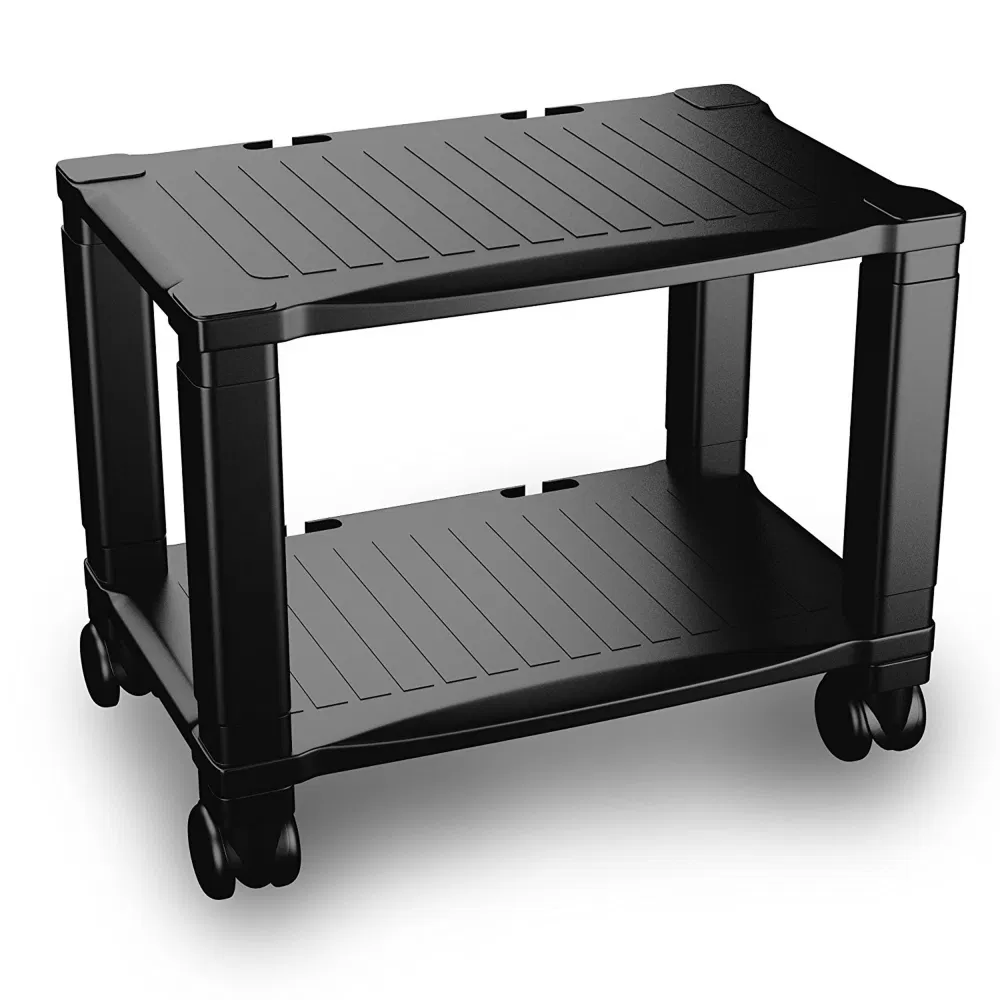

Photos from current listings. Actual item, color, and included accessories may vary.
Cart With Wheels And Drawer Buying Guide
A rolling cart with drawers is an office mobility system: you gain flexible storage that moves with you, but drawer glide quality, load rating, and wheel composition determine whether it stays smooth or becomes a wobbling nuisance. Most buyers under-check drawer depth versus paper and binder sizes, and over-check the number of drawers on the box. Pick the cart architecture around what you store and where it rolls, not the drawer count alone.
Median $160.99
Key takeaways
- Drawer glide type separates tiers: friction-slide plastic drawers are cheap and stick under load, while ball-bearing metal glides or molded full-extension tracks carry heavier office supplies smoothly.
- Caster composition controls floor compatibility: nylon wheels roll fast but can scratch hardwood, while rubber or polyurethane treads grip tile and protect hard floors but add rolling resistance.
- Frame construction grade matters most: steel or aluminum frames with welded or bolted cross-bracing resist racking, whereas thin plastic shells flex and crack when drawers are loaded unevenly.
At a glance
- Category
- Office Organization
- Last updated
- Nov 28, 2026
Current offers
Highlights
- Drawer glide type separates tiers: friction-slide plastic drawers are cheap and stick under load, while ball-bearing metal glides or molded full-extension tracks carry heavier office supplies smoothly.
- Caster composition controls floor compatibility: nylon wheels roll fast but can scratch hardwood, while rubber or polyurethane treads grip tile and protect hard floors but add rolling resistance.
- Frame construction grade matters most: steel or aluminum frames with welded or bolted cross-bracing resist racking, whereas thin plastic shells flex and crack when drawers are loaded unevenly.
- Drawer dimensions, not drawer count, decide real capacity; shallow 2-3 inch trays suit pens and clips, while letter-size drawers need at least 9.5 x 12 inches of interior and deeper bins for binders.
Best use cases
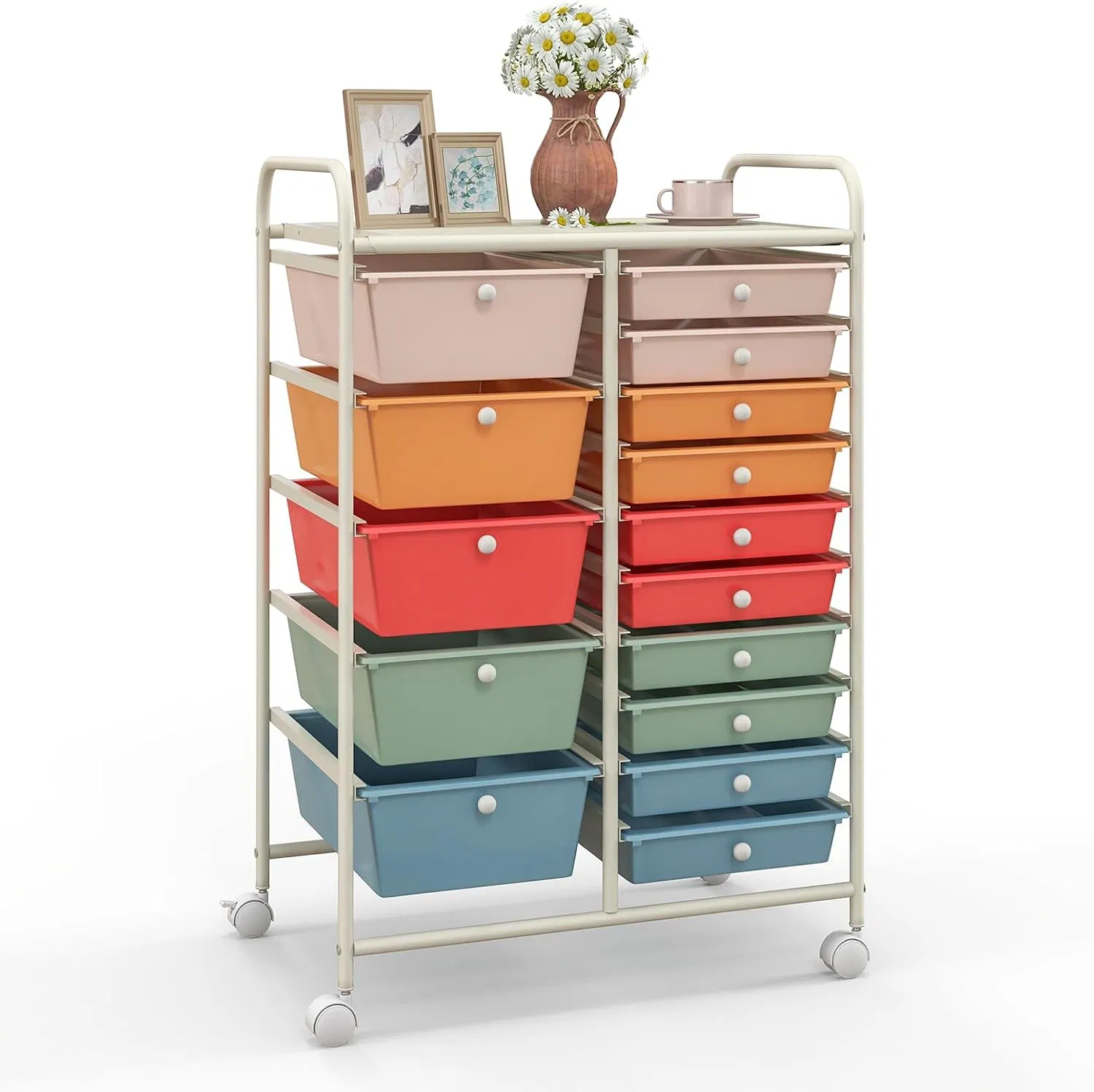
- Best fit: a teacher or craft-room organizer moving between classroom stations needs a multi-drawer cart (10-15 shallow trays) with locking casters and a steel frame; skip it if you store heavy binders, which need fewer, deeper drawers.
- Best fit: a home-office worker rolling between desk and printer wants a 3-5 drawer cart with letter-size drawers and rubber casters on hardwood; skip oversized 15-drawer units that trade drawer depth for count.
- Best fit: a workshop or maker space storing tools wants metal drawer slides rated for repeated load cycles and a cart with at least one deep bin; skip friction-slide plastic carts that bind under tool weight.
- Wrong fit: a tight closet or under-desk nook needs a cart under 24 inches tall with locking wheels; full-height 15-drawer towers waste vertical space and are hard to maneuver in narrow rooms.
Buying tips
- Choose drawer interior dimensions against your actual contents: letter paper needs roughly 9.5 x 12 inches, and three-ring binders demand at least 11 x 12 inches with 2 inches of depth.
- Prioritize ball-bearing or full-extension drawer glides if you will load drawers past a few pounds; friction-slide trays are fine only for lightweight craft and desk supplies.
- Inspect caster type before buying: locking rubber or polyurethane casters protect hardwood and tile, while nylon casters suit carpet and low-pile rugs but can mar bare floors.
- Avoid drawer-count marketing traps; a 15-drawer cart often has shallower trays than a 5-drawer unit, so compare total cubic capacity and individual drawer depth instead of counting drawers.
Specs
| Drawer Glide Type | Friction-slide plastic vs ball-bearing metal |
|---|---|
| Caster Material | Nylon vs rubber/polyurethane, locking |
| Frame Construction | Steel/aluminum cross-braced vs plastic shell |
| Drawer Interior Size | Letter 9.5x12 in; binders 11x12x2 in |
Related searches
What to check before buying
- Measure your available footprint and turning radius: most rolling carts are 12-16 inches wide and 25-40 inches tall, and you need clearance to swing drawers open fully.
- Confirm your floor type and choose caster material accordingly; rubber or polyurethane for hardwood and tile, nylon for carpet, and verify at least two casters lock.
- Check the cart's load rating and per-drawer capacity if you store heavy tools or binders; steel frames with cross-bracing handle 50-100 lbs total, thin plastic shells do not.
- Verify drawer interior dimensions against standard office supplies (letter paper, binders, folders) rather than relying on external cart dimensions or drawer count.
FAQ
Data sources: eBay / Amazon listings and product attribute feeds. Updated Nov 28, 2026.
Some links on this page are affiliate links. If you buy after clicking one, we may earn a commission at no extra cost to you. This does not change which products appear here or their order. Affiliate disclosure.